Effective FM Compliance Systems Setup
- May 26
- 3 min read
Managing compliance in facilities management (FM) is essential for security, cleaning, and soft services businesses. These sectors face strict regulations and operational challenges that require robust systems. I will share practical insights on how to set up effective FM compliance systems. This will help you reduce risks, improve service quality, and maintain regulatory standards.
Understanding FM Compliance Systems Setup
Setting up an FM compliance system means creating a structured approach to meet legal and operational requirements. It involves policies, procedures, training, and monitoring tools tailored to your business needs. The goal is to ensure consistent adherence to health and safety laws, environmental standards, and contractual obligations.
A good setup starts with a clear compliance framework. This includes:
Identifying relevant regulations and standards
Defining roles and responsibilities
Establishing documentation and record-keeping processes
Implementing training programs for staff
Setting up regular audits and inspections
For example, a cleaning company must comply with COSHH (Control of Substances Hazardous to Health) regulations. The system should include risk assessments, safe handling procedures, and staff training on chemical use.
Key Steps in FM Compliance Systems Setup
To build an effective system, follow these key steps:
Assess Current Compliance Status
Conduct a thorough review of existing policies and practices. Identify gaps and areas of risk. This helps prioritise actions and allocate resources efficiently.
Develop Clear Policies and Procedures
Write concise, easy-to-follow documents that cover all compliance aspects. Use plain language to ensure understanding across all staff levels.
Train and Engage Staff
Regular training sessions are vital. Use practical examples and role-specific scenarios. Encourage feedback to improve the system continuously.
Implement Monitoring and Reporting Tools
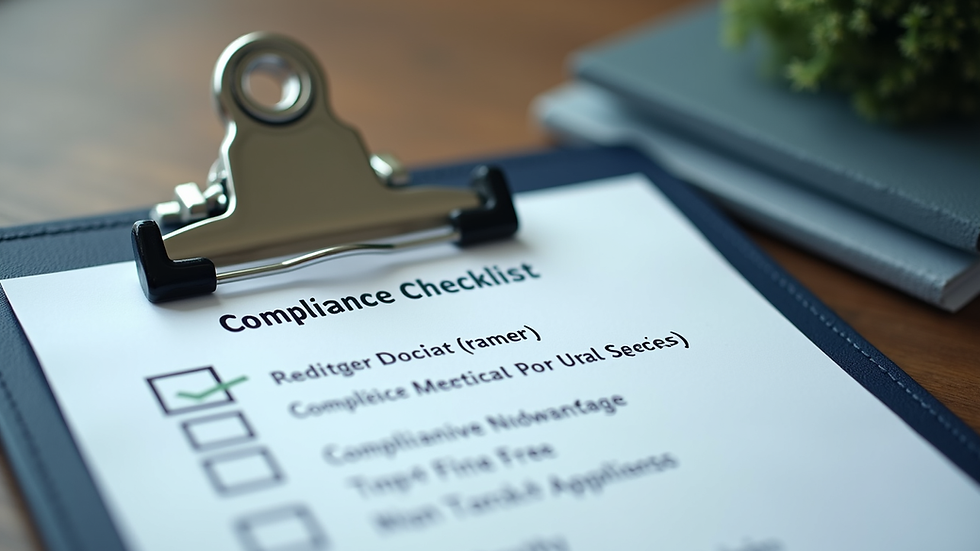
Use checklists, digital platforms, or software to track compliance activities. Regular reports help spot issues early and demonstrate accountability.
Review and Update Regularly
Compliance requirements change. Schedule periodic reviews to update policies and training. Stay informed about new regulations affecting your sector.
By following these steps, you create a system that is both practical and sustainable. It supports daily operations and long-term business goals.
What are the 4 stages of compliance?
Compliance management typically follows four stages:
Identification
Recognise all applicable laws, regulations, and standards. This includes local, national, and industry-specific requirements.
Implementation
Put policies and procedures into practice. Train staff and allocate resources to meet compliance demands.
Monitoring
Continuously check compliance through audits, inspections, and performance reviews. Use data to measure effectiveness.
Improvement
Address non-compliance issues promptly. Update systems based on feedback and regulatory changes to enhance performance.
Understanding these stages helps structure your compliance efforts logically. It ensures no step is overlooked and promotes continuous improvement.

Practical Tips for Successful FM Compliance System Implementation
Implementing a compliance system can be complex. Here are practical tips to make the process smoother:
Start Small and Scale Up
Begin with critical compliance areas. Once these are stable, expand the system to cover other aspects.
Use Technology Wisely
Digital tools can automate record-keeping and reporting. Choose solutions that integrate well with your existing operations.
Involve All Levels of Staff
Compliance is a team effort. Engage frontline workers and supervisors in developing procedures and training.
Document Everything
Keep clear records of policies, training sessions, audits, and corrective actions. This documentation is vital during inspections or disputes.
Focus on Risk Management
Prioritise compliance activities based on risk assessments. Address high-risk areas first to reduce potential harm and liability.
Communicate Clearly and Often
Regular updates and reminders keep compliance top of mind. Use meetings, emails, and posters to reinforce key messages.
By applying these tips, you increase the chances of a successful and lasting compliance system.
Benefits of a Well-Implemented FM Compliance System
A well-implemented system offers several benefits:
Reduced Legal and Financial Risks
Avoid fines, penalties, and legal action by meeting regulatory requirements.
Improved Service Quality
Consistent compliance leads to better operational standards and customer satisfaction.
Enhanced Reputation
Demonstrating compliance builds trust with clients, partners, and regulators.
Operational Efficiency
Clear procedures and monitoring reduce errors and downtime.
Employee Safety and Morale
A safe working environment improves staff wellbeing and retention.
These benefits align with the goal of helping FM businesses navigate complex compliance challenges and strengthen their operations.
Moving Forward with FM Compliance Systems
Implementing a fm compliance system implementation requires commitment and ongoing effort. Start by assessing your current position and building a clear, practical framework. Use technology and staff engagement to support your system. Regularly review and improve your processes to stay ahead of regulatory changes.
By focusing on these fundamentals, you can create a compliance system that protects your business and supports growth. This approach is essential for security, cleaning, and soft services FM companies aiming to meet today’s demanding standards.

This guide provides a clear path to effective FM compliance systems setup. Use it to build a system that works for your business and meets regulatory demands with confidence.

Comments